Filipe Luís to Atlético: Unpacking Simeone Succession Rumors
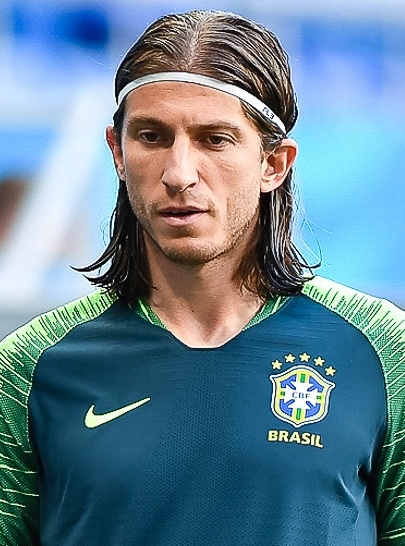
The world of football management is a constant carousel of speculation, but few rumors spark as much intrigue and debate as the potential succession of a long-standing, iconic figure. Whispers are now intensifying around a name deeply embedded in Atlético Madrid's modern history: Filipe Luís. Currently the head coach of Flamengo, the Brazilian legend is reportedly being positioned by his agent for a move to a European club, with the ultimate dream being a return to the Cívitas Metropolitano as the man to eventually step into Diego Simeone's colossal shoes. The idea of Filipe Luís: From Atlético Hero to Potential Managerial Return is not just a romantic notion; it’s a strategic play that warrants a closer look.
Diego Simeone, affectionately known as 'El Cholo,' has been at the helm of Atlético Madrid since 2011, transforming the club into a consistent force in Spanish and European football. His tactical prowess, fierce passion, and ability to instill a unique winning mentality have made him virtually synonymous with the Rojiblancos' identity. Therefore, any discussion about his *substituto Filipe Luís* or anyone else, is inherently loaded with immense pressure and expectation. But why is Filipe Luís emerging as a prominent candidate for this monumental task, and what makes this rumor more than just idle gossip?
From Legendary Left-Back to Aspiring Coach: Filipe Luís's Journey
Born in Jaraguá do Sul, Brazil, in 1985, Filipe Luís Kasmirski carved out an illustrious playing career primarily as a tenacious left-back. His European journey began early, making a significant impact at Deportivo La Coruña, where he played 137 matches over four years. However, it was at Atlético Madrid where he truly cemented his legend. Over nine years across two spells, punctuated by a season at Chelsea where he lifted the Premier League and EFL Cup, Filipe Luís became an integral part of Atlético's most glorious era.
Under Simeone, he was a key cog in a machine that defied the traditional Spanish duopoly, securing seven major titles, including a La Liga crown, a Copa del Rey, and two Europa League titles. He also played in two Champions League finals, a testament to the club's incredible rise. This deep, personal connection to Atlético, forged through countless battles and triumphs, is a foundational element of his candidacy as a potential *substituto Filipe Luís*.
His transition into management has been recent, taking the reins at Flamengo in 2024. While his coaching career is in its nascent stages, his vast experience playing at the highest level, particularly under a demanding tactician like Simeone, provides a unique perspective. This background suggests a natural understanding of elite football dynamics and the mental fortitude required for success.
The Flamengo Context: A Breeding Ground for Frustration?
The current situation at Flamengo provides significant context for why Filipe Luís might be open to, or even actively seeking, a move. Reports indicate a challenging period for the young coach in the Brazilian Championship, characterized by internal disputes and unmet demands. According to Globo.com, Flamengo recently concluded a transfer window without securing a much-needed centre-forward, despite the coach's explicit requests.
The club reportedly made bids for Kaio Jorge and engaged in discussions with Taty Castellanos and Richarlison, all of whom declined moves to Brazil. The recruitment strategy, which targeted established names and showed little appetite for "punts," clashed with the scouting head, José Boto's, focus on younger players. This divergence led to a minor internal dispute where Filipe Luís and Boto failed to agree on targets, leaving the squad unbalanced.
Further compounding the issue is the situation with Pedro, the team's only centre-forward, who isn't an automatic starter and desires more minutes, while Filipe Luís reportedly prefers different attacking profiles. Financial constraints, notably a €42 million outlay on midfielder Lucas Paquetá, also curtailed any late moves for a seasoned striker. This scenario, where a coach's tactical vision and transfer requests are not fully supported, can quickly lead to frustration and a desire for a new challenge, especially for someone with European ambitions. For a deeper dive into these challenges, read Filipe Luís's Flamengo Frustration: Unmet Demands and Squad Imbalance.
This backdrop paints a clear picture: Filipe Luís, despite his short tenure, is facing significant hurdles in establishing his managerial philosophy at Flamengo. Such an environment could make the prospect of returning to a familiar, albeit demanding, European setting like Atlético Madrid even more appealing, especially if a clear path for development and tactical execution is presented.
The Simeone Shadow: A Monumental Succession Challenge
Replacing Diego Simeone is arguably one of the most daunting tasks in modern football management. His nearly decade-and-a-half reign has built more than just a successful team; he has instilled a culture, a philosophy, and an unwavering identity. Any *substituto Filipe Luís* would not merely be replacing a coach but attempting to navigate a legacy that touches every facet of the club.
Key challenges for Simeone's successor include:
- Maintaining Identity: Simeone's Atlético is known for its defensive solidity, intense work rate, and counter-attacking prowess. A new coach must decide whether to evolve this identity or attempt a radical shift, both fraught with risk.
- Managing Expectations: Fans have grown accustomed to Champions League football and challenging for titles. Anything less could be seen as a failure, regardless of the successor's credentials.
- Player Loyalty: Many current Atlético players have only known Simeone as their coach. Managing the transition and securing their buy-in will be critical.
- Tactical Evolution: While Simeone has had immense success, some critics argue his style can be rigid. A successor might be expected to bring fresh tactical ideas while still respecting the club's core tenets.
These factors make the search for a *substituto Filipe Luís* a high-stakes decision. The chosen individual must possess not only tactical acumen but also an acute understanding of the club's unique spirit and the gravitas to command respect from players and fans alike.
Why Filipe Luís? A Look at His Potential Fit at Atlético
So, why is Filipe Luís considered a viable option, despite his relative inexperience as a head coach? His deep ties to Atlético are undeniable, offering a significant emotional and historical advantage:
- Club DNA: Having spent nine years as a player under Simeone, Filipe Luís intrinsically understands the "Cholismo" philosophy, the demands, and the unique culture of Atlético Madrid. He lived and breathed it, contributing significantly to its success.
- Instant Credibility: As a fan favorite and a true club legend, he would likely be afforded more patience and goodwill than an external appointment. This connection could be invaluable during a potentially turbulent transitional period.
- Tactical Insights (Inferred): His desire for a striker at Flamengo and preference for "different attacking profiles" hints at a coach who understands the need for balance and potentially a more varied attacking approach, which could be an interesting evolution from Simeone's often more conservative setups. He understands how to build a robust defense, but also the importance of offensive firepower.
- Mentorship Potential: Having played under one of the game's greatest tactical minds for so long, he would have absorbed invaluable lessons on team building, motivation, and game management.
While his managerial resume is short, the emotional resonance and practical knowledge he brings to the table are compelling. The idea of a former player returning to lead his beloved club is a narrative that often captivates fans and can galvanize a squad.
Practical Considerations for a Smooth Transition
Should Filipe Luís indeed become the *substituto Filipe Luís* for Simeone, a successful transition would hinge on several factors:
- Clear Vision: He would need to articulate a clear tactical vision that respects Atlético's defensive foundations but also offers evolution.
- Strong Support System: An experienced coaching staff, potentially including former Atlético figures, could provide crucial support.
- Player Buy-in: Earning the respect and commitment of the existing squad, many of whom are seasoned veterans, would be paramount.
- Fan Engagement: Leveraging his legendary status to foster a positive atmosphere from the outset.
Conclusion
The notion of Filipe Luís as the eventual *substituto Filipe Luís* for Diego Simeone at Atlético Madrid is more than just a romantic ideal; it's a strategically plausible move driven by his profound connection to the club and the current challenges in his managerial role at Flamengo. While the shoes of 'El Cholo' are undeniably massive, Filipe Luís offers a unique blend of intimate club knowledge, playing experience at the highest level, and a budding coaching philosophy. His agent's active efforts to secure him a European club demonstrate serious intent. This potential transition represents a pivotal moment for Atlético Madrid, balancing the desire for continuity with the need for evolution. As the rumor mill continues to churn, all eyes will be on how this compelling narrative unfolds, potentially ushering in a new, yet familiar, era at the Cívitas Metropolitano.