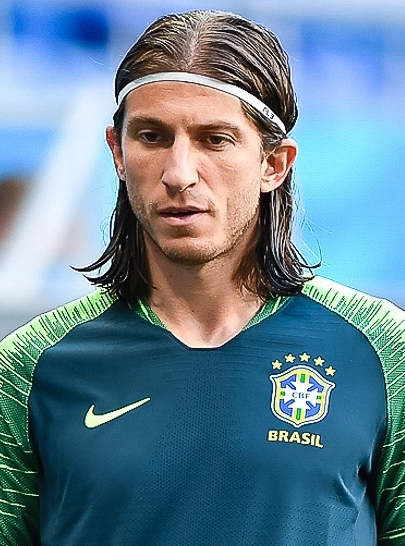
Filipe Luís: From Atlético Hero to Potential Managerial Return
The footballing world is abuzz with speculation surrounding Filipe Luís, a name synonymous with one of Atlético Madrid's most glorious eras. A legendary left-back who graced the Vicente Calderón and later the Metropolitano, Luís is now carving out a burgeoning managerial career. Currently at the helm of Flamengo, a powerful force in Brazilian football, whispers suggest he could be the eventual Filipe Luís to Atlético: Unpacking Simeone Succession Rumors for the iconic Diego Simeone at Atlético Madrid. His agent is reportedly orchestrating moves to bring him to a European club, signaling a pivotal moment in his post-playing career.
This potential return is more than just a coaching change; it represents a philosophical succession, a torch passing from one Red and White legend to another. But what makes Filipe Luís such a compelling candidate, and what challenges is he currently navigating that could prepare or hinder him for such a monumental role?
From Legendary Left-Back to Aspiring Tactician: Filipe Luís's Journey
Born Filipe Luís Kasmirski in Jaraguá do Sul, Brazil, on August 9, 1985, his playing career was defined by a rare blend of defensive solidity, attacking prowess, and unwavering commitment. His European adventure began to truly flourish at Deportivo La Coruña, where he spent four impactful years, making 137 appearances and establishing himself as one of La Liga's premier left-backs.
However, it was at Atlético Madrid where Filipe Luís truly etched his name into the annals of football history. Across two stints spanning nine years, he was an indispensable cog in Diego Simeone's formidable machine. During this period, he played a crucial role in the club's "most glorious era," securing an impressive seven titles, including a La Liga crown, a Copa del Rey, and two Europa League trophies. He also featured in two UEFA Champions League finals, showcasing his ability to perform on the grandest stages.
A brief but successful detour to Chelsea during the 2014-15 season saw him lift the Premier League and EFL Cup, further broadening his experience at the highest level. His time under José Mourinho at Chelsea, followed by his continued tenure under Simeone, provided him with a unique education in top-tier management and tactical discipline. This rich playing background, particularly his deep immersion in Simeone's philosophy, is often cited as a key reason for his appeal as a potential successor.
Since retiring as a player in 2023, Luís quickly transitioned into coaching, taking the reins at Flamengo in 2024. This immediate dive into the demanding world of management underscores his ambition and deep understanding of the game, setting the stage for his next chapter.
The Allure of the Metropolitano: Why Filipe Luís as Simeone's Successor?
The idea of Filipe Luís returning to Atlético Madrid as a manager carries immense emotional weight and tactical logic. For many Rojiblancos, he embodies the grit, passion, and tactical intelligence that define the club's modern identity. His deep understanding of the club's DNA, having lived and breathed the Simeone era from within, makes him a compelling candidate. He's not just a former player; he's a true Atleti man.
The primary draw for Atlético would be the promise of continuity coupled with a fresh perspective. While he played under Simeone, it's expected that Luís, as a manager, would eventually develop his own distinct style, perhaps blending Simeone's defensive rigidity with a more fluid attacking approach, something many fans have yearned for. The club's faithful would welcome him back with open arms, offering a grace period that few external candidates would receive. This emotional connection could be invaluable in navigating the challenging transition of replacing a club icon like Simeone.
However, the shoes he would potentially fill are gargantuan. Diego Simeone has redefined Atlético Madrid, turning them into a consistent European powerhouse. Any *substituto Filipe Luís* for Cholo would face immense pressure to maintain that standard while evolving the team. The ongoing movements by his agent to secure a European club for Luís indicate a serious intent to fast-track his managerial progression, with Atlético Madrid likely being the ultimate, aspirational destination.
Navigating Turbulent Waters at Flamengo: A Managerial Acid Test
While the allure of Atlético is strong, Filipe Luís is currently embroiled in the intense reality of managing Flamengo. His tenure has been marked by significant challenges, particularly regarding squad construction and transfer strategy. The recent transfer window closed with Flamengo failing to secure a much-needed center-forward, despite explicit requests from Luís himself. This situation highlights a complex internal dynamic and provides valuable insight into his nascent managerial style.
According to reports from Globo.com, Flamengo's hunt for a striker was thwarted by a combination of budget constraints and difficulty in attracting preferred profiles. Bids for players like Kaio Jorge, and discussions with Taty Castellanos and Richarlison, ultimately proved fruitless as they declined moves to Brazil. This left the squad feeling unbalanced, with Pedro as the sole recognized center-forward, yet not an automatic starter, due to Luís's preference for different attacking profiles.
A notable internal dispute emerged between Filipe Luís and sporting director José Boto. Luís advocated for an experienced striker, while Boto's focus skewed towards younger prospects, leading to an inability to agree on targets. This disagreement, compounded by a significant €42 million outlay on midfielder Lucas Paquetá, effectively curtailed late moves for a seasoned striker.
The challenges at Flamengo extend beyond just a striker. The squad depth has thinned, with prospects like Juninho moved on and the sale of Wallace Yan controversially reversed. These issues have created discontent within the club and forced attention to the mid-year window for a much-needed rebalancing. This period, though tumultuous, serves as a crucial learning curve for Luís. It demonstrates his clear vision for the team, his willingness to push for specific player profiles, and his navigation of complex club politics—all vital skills for any top-tier manager.
This challenging phase is not only testing his mettle but also preparing him for bigger roles, potentially even as the Filipe Luís's Flamengo Frustration: Unmet Demands and Squad Imbalance at a top European club. It teaches him about budget limitations, internal power struggles, and the need for adaptability.
The Striker Saga: A Case Study in Managerial Authority
The specific issue of the center-forward at Flamengo offers a microcosm of the challenges Filipe Luís faces. His desire for a particular type of player – likely one who fits his tactical vision – clashing with the club's financial realities and the sporting director's scouting philosophy is a common hurdle for managers globally. The fact that Pedro, an established goalscorer, isn't always his preferred starter further illustrates that Luís has a specific attacking blueprint he wants to implement, which sometimes necessitates bringing in new blood, or at least, different profiles. For any aspiring coach, understanding how to navigate these impasses, compromise when necessary, and assert one's authority where critical, is fundamental. It's a harsh but invaluable lesson in the art of club management.
What a Return to Atlético Could Mean
If Filipe Luís were to become the *substituto Filipe Luís* at Atlético Madrid, it would signal a profound strategic direction for the club. Fans would undoubtedly scrutinize his tactical identity: would he be a Simeone disciple, continuing the robust defensive foundations with perhaps a slightly more expansive attacking philosophy? Or would he seek to entirely redefine Atleti's style of play?
His experience at Flamengo, particularly the frustrations over squad imbalance and unmet transfer demands, could heavily influence his approach. It might instill in him an even greater emphasis on clear communication with the sporting director and a meticulous eye for squad depth. A practical tip for any manager transitioning into such a high-profile role, especially one following a legend, is to establish an immediate, cohesive vision with the board and sporting director. The Flamengo saga serves as a stark reminder of the pitfalls of misalignment.
A potential return would also demand careful management of expectations. Simeone has set an incredibly high bar. Luís would need to leverage his existing connection with the fanbase and his deep understanding of the club's values to forge his own path while respecting the legacy. His managerial acumen, tested in the demanding environment of Brazilian football, would be critical in navigating the intense pressures of La Liga and the Champions League.
Conclusion
Filipe Luís's journey from a decorated left-back to a promising manager is unfolding with intrigue. His deep-rooted connection to Atlético Madrid, forged over a decade of dedication and success, makes him an almost pre-ordained candidate to one day take the reins. While his current challenges at Flamengo are providing a baptism of fire, they are undoubtedly shaping him into a more resilient and tactically astute leader. The ongoing discussions about him being the natural substituto Filipe Luís for Diego Simeone are not merely rumors; they are a recognition of his profound understanding of the club's ethos and his burgeoning capabilities as a coach. Whether this return happens sooner or later, Filipe Luís appears destined to walk the sidelines of the Metropolitano once more, bringing his unique blend of passion, tactical insight, and Atlético DNA back to where it truly belongs.